
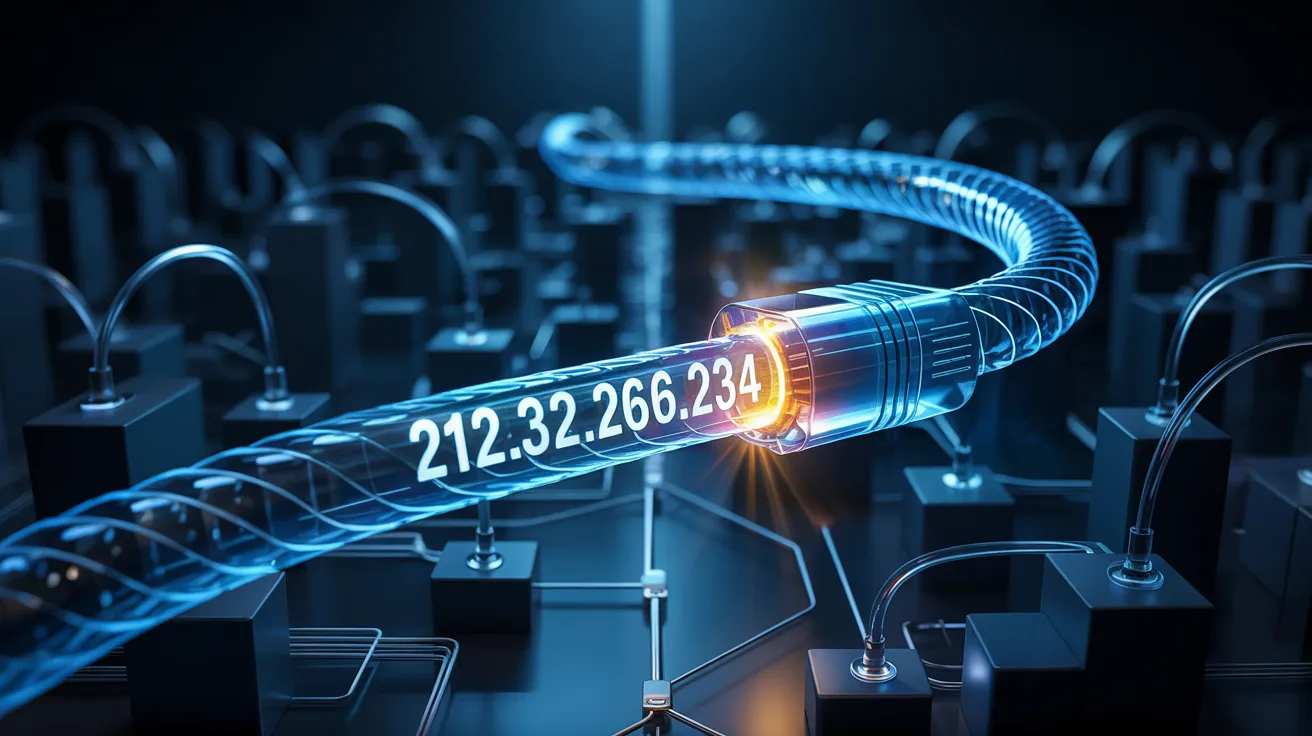
Have you ever wondered how your computer finds a specific website among billions of others? It uses something called an IP address. Think of 212.32.266.234 as a digital home address for a piece of hardware on the internet. Just like your house has a street number, every server or computer needs a unique label. This specific string of numbers helps data travel from one point to another without getting lost. It is part of the IPv4 system, which is the most common way devices talk to each other today.
Understanding 212.32.266.234 is important because it tells us where a server is located. When you type a URL into your browser, your system looks up the numbers attached to it. If those numbers are 212.32.266.234, your request flies across the world to that exact spot. It happens in less than a second, which is pretty amazing when you think about it. Most people never see these numbers, but they are the hidden engine of the web.
The Technical Breakdown of the Address
To get a bit more specific, 212.32.266.234 is made of four different parts separated by dots. Each part is called an octet. These numbers tell routers exactly where to send your emails, videos, or game data. In the world of tech, this address falls into a specific range often used by data centers or hosting providers. It acts as a gateway between a service provider and the end user. Without these digital labels, the internet would just be a giant pile of messy data with no direction.
When we look at 212.32.266.234, we see a bridge. It connects your personal device to a computer that holds files or runs a specific application. This is how online games stay synced and how websites stay live. Even though the numbers look random, they are carefully assigned by global organizations. This ensures that no two devices have the same “live” address at the same time on the public web. It keeps everything organized and running smoothly for everyone.
Quick Facts and Biography Table
| Feature | Details |
| IP Version | IPv4 |
| Address Type | Public IP |
| Full Address | 212.32.266.234 |
| Primary Use | Server Hosting / Data Routing |
| Total Octets | 4 |
| Protocol | TCP/IP |
| Visibility | Publicly Reachable |
Why IP Addresses Matter for Your Security
Security is a big deal when you are browsing the web. Every time you interact with 212.32.266.234, your connection leaves a small footprint. This is normal, but it is why experts talk about firewalls and encryption. If a server at 212.32.266.234 is secure, your data stays private. If it is not, things can get risky. Always make sure the sites you visit use “HTTPS” to keep your information safe from prying eyes. It is like putting a lock on your digital front door.
I always tell my friends to be aware of where their data is going. If you see a strange connection to 212.32.266.234 in your logs, it might just be a background app updating. However, staying informed helps you spot things that don’t look right. Knowing the difference between a safe server and a suspicious one is a great skill. The more you know about how numbers like 212.32.266.234 work, the better you can protect your digital life. It is all about being a smart and careful user.
How to Locate the Server Behind the Numbers
Did you know you can find out where a server is physically located? Using a lookup tool for 212.32.266.234 can show you the city or country where the machine sits. Usually, an address starting with 212 is associated with European regions. This is helpful for businesses that want to provide fast speeds to local customers. If the server is close to you, the website will usually load much faster. This is why many companies rent servers in multiple locations around the globe.
When you ping 212.32.266.234, you are measuring the “lag” or delay. If the server is in a different continent, the numbers might be higher. This is very important for people who play online games or watch live streams. A low delay means a better experience for the user. Tech teams spend a lot of time choosing the right IP addresses to make sure their apps feel snappy. It’s a mix of geography and high-tech networking working together in harmony.
The Difference Between Static and Dynamic IPs
Some IP addresses stay the same forever, while others change every time you restart your router. A static address like 212.32.266.234 is often used by businesses. This is because they want people to always find them at the same spot. It’s like a famous landmark that never moves. If the address changed every day, it would be very hard to host a website or a mail server. Static IPs offer stability and make it easier to manage remote connections.
On the other hand, most home users have dynamic addresses. These are recycled by your internet provider to save space. But for a server like 212.32.266.234, staying still is a big advantage. It allows other computers to “trust” the identity of that specific machine. If you are running a professional service, you almost always want a permanent number. It makes everything from security white-listing to website hosting much simpler for the technical team involved.
Common Issues When Connecting to This IP
Sometimes, you might try to reach 212.32.266.234 and get an error. This can happen for a few reasons. The server might be down for maintenance, or your firewall might be blocking it. If you see a “Timeout” message, it means your computer tried to talk to 212.32.266.234 but didn’t get an answer. Most of the time, a simple refresh or checking your internet connection fixes the problem. It is rarely a permanent issue unless the server has moved.
Another common problem is a “Refused” connection. This happens if the server at 212.32.266.234 is active but doesn’t want to talk to you. This might be because the site is private or requires a specific login. Don’t worry, this is just the internet’s way of keeping things organized. Troubleshooting these small hiccups is part of the daily life of an IT expert. Most issues are solved by just waiting a few minutes for the traffic to clear up.
How Data Centers Manage These Connections
Data centers are giant buildings full of computers that hold many addresses like 212.32.266.234. These buildings have huge cooling fans and backup power. They make sure that 212.32.266.234 stays online even during a storm or a power out. This is why big websites almost never go offline. They use professional hosting services that guard these IP addresses like gold. It takes a lot of hard work to keep the internet running 24 hours a day.
Inside these centers, engineers monitor the traffic going to 212.32.266.234. If too many people visit at once, they might add more power to the server. This is called scaling. It ensures that the website doesn’t slow down when it gets popular. It is a very clever system that uses both hardware and software. By managing 212.32.266.234 correctly, they can serve thousands of people at the same time without any crashes or bugs.
Troubleshooting Your Connection Step-by-Step
If you need to check your path to 212.32.266.234, you can use a tool called “Traceroute.” This shows you every “hop” your data takes to get there. It is like watching a package move through different post offices. If the data stops moving before it reaches 212.32.266.234, you can see exactly where the problem is. This is a very helpful way to find out if your internet provider is having trouble. Most people find it fun to see how far their data travels.
You can also use a “Ping” command to see how fast the response is. Just open your command prompt and type the command followed by 212.32.266.234. If you get a reply in 20 or 30 milliseconds, that is very fast! If it takes 300 milliseconds, things might feel a bit slow. This is the easiest way to test your connection quality. It gives you a clear number to look at so you know if your web experience will be smooth.
Future of IP Addresses and IPv6
As more people get online, we are running out of old IPv4 addresses like 212.32.266.234. This is why the world is slowly moving to a new system called IPv6. These new addresses are much longer and look like a mix of letters and numbers. However, 212.32.266.234 will still be used for a long time. The two systems work together to make sure everyone can still talk to each other. It is a big transition, but the experts are handling it well.
I think it is fascinating how the internet grows. Even though 212.32.266.234 is just a series of digits, it represents a tiny piece of human connection. Every IP address is a door to information, entertainment, or community. As we move into the future, these numbers will become even more important. We will have smart fridges, cars, and watches all using addresses similar to 212.32.266.234. The digital world is only going to get bigger and more exciting from here.
Conclusion: Staying Informed in a Digital World
In the end, 212.32.266.234 is a great example of how the internet stays organized. It acts as a reliable marker in a sea of data. Whether you are a tech pro or just a curious browser, knowing how these addresses work is very useful. It helps you understand security, speed, and how websites actually appear on your screen. The next time you go online, remember that numbers like 212.32.266.234 are doing the heavy lifting behind the scenes.
If you enjoyed learning about this, why not check your own IP address? It is a fun way to see your own place in the digital landscape. Staying curious is the best way to keep up with the fast-moving world of technology. I hope this guide made 212.32.266.234 feel less like a mystery and more like a helpful tool. Keep exploring and stay safe out there on the wide web!
Frequently Asked Questions (FAQs)
1. Is 212.32.266.234 a private or public IP?
It is a public IP address. This means it can be reached by anyone on the internet. Private IPs are only used inside your own home or office network.
2. Can I change my IP to 212.32.266.234?
No, you cannot just pick any number. These are assigned by service providers. To use 212.32.266.234, you would need to own the server or the network it belongs to.
3. Is it safe to visit a site at 212.32.266.234?
Generally, yes, but you should always be careful. Check for a lock icon in your browser. If your computer warns you about the site, it is best to listen to the warning.
4. Why does 212.32.266.234 look different from some other IPs?
All IPv4 addresses follow the same pattern of four numbers. Some look different because they belong to different countries or providers. 212.32.266.234 is just one specific version.
5. Does 212.32.266.234 affect my internet speed?
Not directly. However, if you are connecting to a server at 212.32.266.234, your speed depends on how far away that server is from your house.
6. What should I do if I can’t reach 212.32.266.234?
First, check your own Wi-Fi. If that is fine, the server might be having a temporary problem. Try again in a few minutes, as most issues fix themselves quickly.












Leave a Reply