
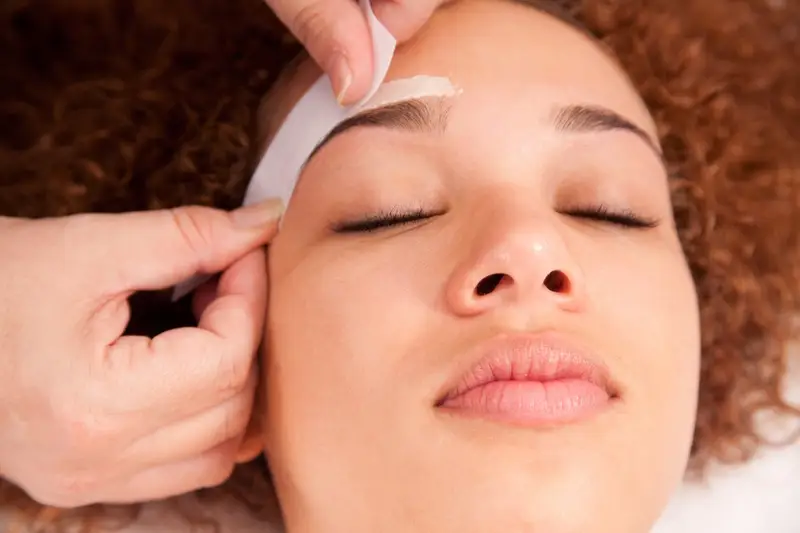
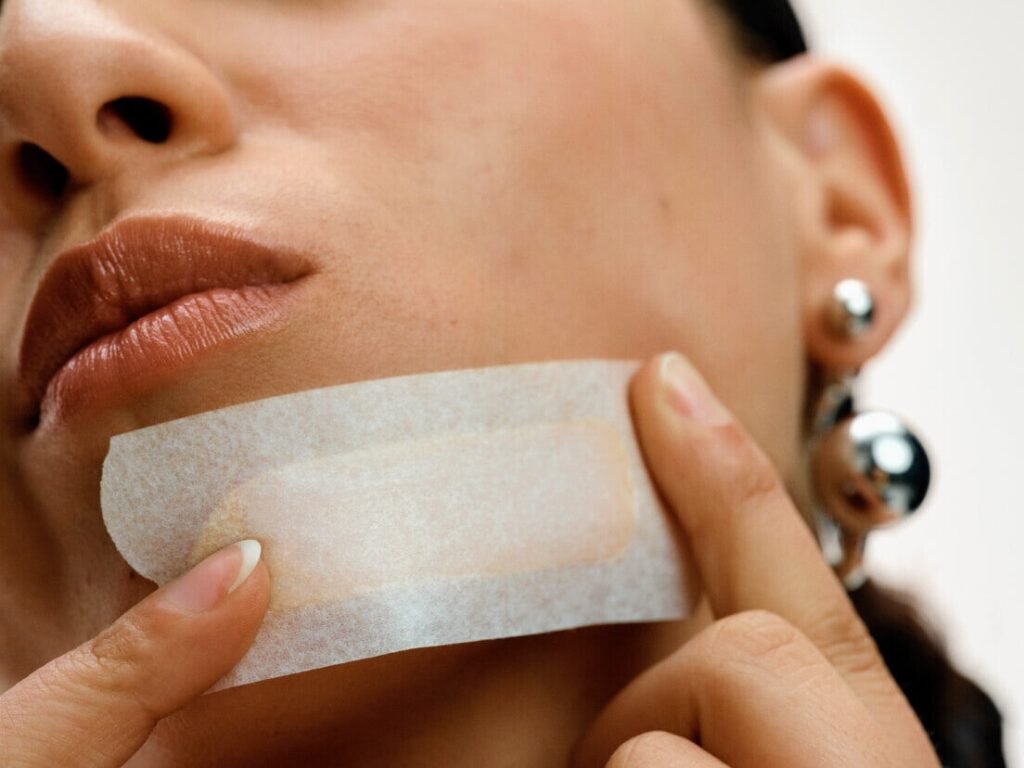
Unwanted facial hair is a common concern among women and can affect confidence and daily comfort. While shaving, waxing, and threading remove hair temporarily, they do not influence how quickly it grows back. Modern dermatology offers additional non-hormonal options that help slow regrowth over time.
This article explores why facial hair becomes persistent and how topical therapy can support longer-lasting results.
Why Facial Hair Can Increase
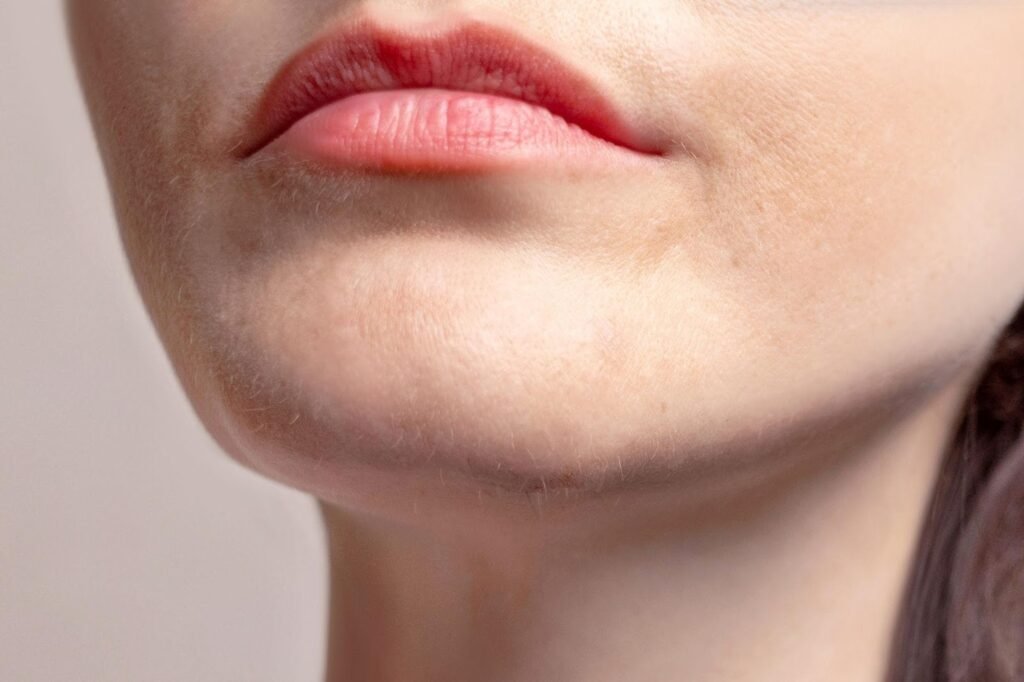
Facial hair growth is influenced by follicle sensitivity and enzymatic activity within the hair root. Even with normal hormone levels, some follicles produce thicker or faster-growing hair.
Common contributing factors include:
- Genetic predisposition
- Aging-related changes
- Increased follicle sensitivity
- Hormonal fluctuations
Mechanical removal methods address appearance but not the biological growth process.
How Non-Hormonal Topical Therapy Works
Eflornithine cream is designed to slow hair production by blocking ornithine decarboxylase, an enzyme involved in follicular cell division. Instead of removing existing hair, it reduces the speed at which new hair grows.
Benefits include:
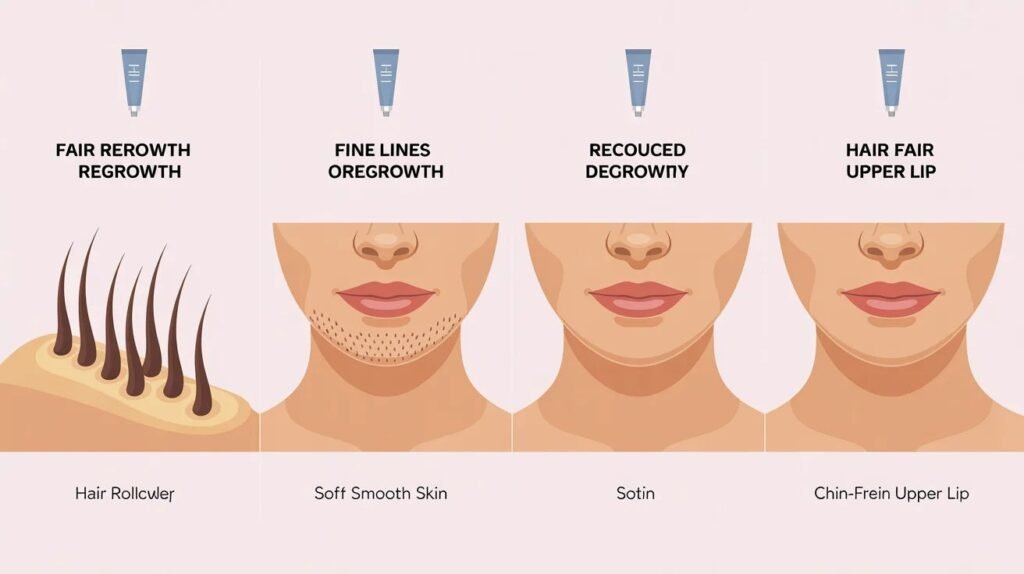
- Slower regrowth after hair removal
- Finer, less noticeable hair
- Longer intervals between grooming
- Gradual improvement with consistent use
According to the British Association of Dermatologists, eflornithine can effectively reduce the rate of unwanted facial hair growth in women when applied regularly.
How to Use Eflornithine Cream
For best results:
- Apply twice daily to affected areas
- Wait a few minutes after shaving or threading before application
- Use a thin, even layer
- Avoid washing the treated area for several hours
Consistency is essential for maintaining results.
Choosing an Eflornithine Cream
Reliable formulation helps ensure predictable absorption and effectiveness. A commonly selected option is:
👉 eflornithine hair removal cream
https://okdermo.com/product/eflora-hair-removal-vaniqa-cream-15g/
This type of cream is specifically formulated for facial use.
What Results to Expect
Improvement usually becomes noticeable within 6–8 weeks. Many women report:
- Less frequent need for hair removal
- Softer hair texture
- Reduced visibility of regrowth
If discontinued, hair growth gradually returns to baseline levels.
Who Should Seek Medical Advice?
Consult a healthcare professional before use if you:
- Have sensitive or irritated skin
- Are pregnant or breastfeeding
- Have underlying endocrine conditions
Professional guidance helps determine whether treatment is appropriate.
Conclusion
Non-hormonal topical therapy offers a practical solution for women seeking to reduce the frequency of facial hair removal. By slowing follicular activity rather than removing hair directly, eflornithine cream supports smoother skin and longer-lasting cosmetic results.
With consistent use, it can become a valuable addition to a modern hair-management routine.







Leave a Reply