
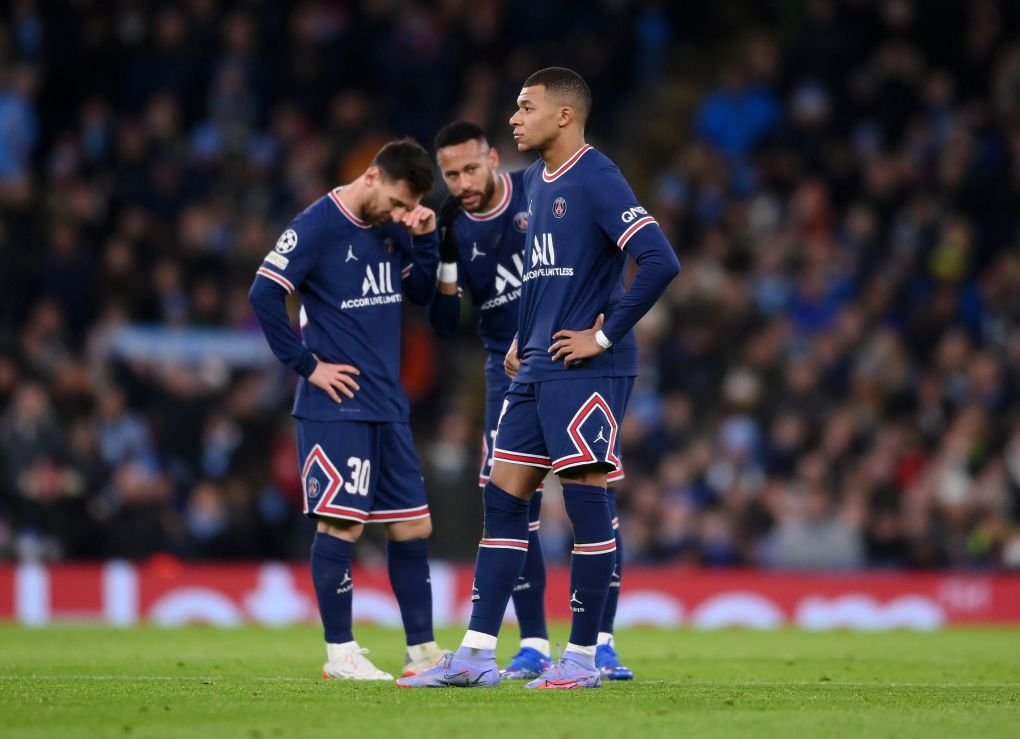
Every betting season teaches through rhythm—losses define calibration, wins reward structure. Experiencing La Liga 2022/2023 as a bettor provided a real laboratory in variance, emotional control, and execution discipline. The season’s volatility tested every tactical framework—those treating betting as systemized learning improved steadily, while impulsive reactions eroded consistency.
Early Season Reality Versus Expectation
Preseason optimism distorted early reasoning. Many bettors overestimated continuity—believing club dynamics stayed constant from the previous year. The first six rounds exposed that emotional loyalty trumped logic. Tactical changes, managerial reshuffles, and market adjustment speed separated measured interpretation from speculation. Patience became the rarest asset in August optimism.
Adjusting Strategy During Form Volatility
La Liga’s rhythm shifted every six to eight matches. Teams oscillated through form cycles far faster than bookmakers adjusted. Effective bettors recognized the importance of timing—joining value mid-reversion, not trend extremities. Each phase demanded recalibration rather than belief in linear momentum. Admitting model imperfection early preserved long-term equilibrium.
Practical Efficiency Through UFABET Analytical Environment
Throughout the season, I operated within structured interfaces to observe fluid market corrections. During several critical weeks, the interactive systems provided by ยูฟ่า168, functioning as a multifaceted sports betting service, allowed direct visualization of market tension: where line movement contradicted performance data. By watching live fluctuations instead of forcing intuition, I learned restraint—sometimes inaction generated more efficiency than premature conviction. This impartial monitoring built the foundation of probabilistic discipline that manual instinct alone could never achieve.
Emotional Management: Learning to Detach and Record
Any long-term bettor learns the mind breaks before the method. Emotional load intensifies under repeated variance—three good weekends disguise process flaws, while one collapse magnifies them. I started journaling after October, tracking motivation, fatigue, and mental clarity post-loss. Recording emotion converted chaos into context, revealing behavioral bias patterns clearer than statistical output.
Data Patterns That Defined Mid-Season Betting
By December, consistent signatures distinguished profitable windows:
- Undervalued mid-table defensive teams during heavy fixture congestion.
- Overstated home advantage against rested European participants.
- Repetitive mispricing on first-half under markets after cup competitions.
Each insight represented refinement through observation rather than theory. Structural trends revealed value far sooner to those tracking micro-context rather than reputational framing.
Interpreting these discoveries reversed how I approached week-to-week betting. Markets reward specificity: narrow context beats broad confidence.
Drawdown Period and Recovery Framework
February and March imposed reality—unexpected draws, red cards, fatigue distortion. Drawdowns tested emotional architecture, proving that risk management matters beyond numbers. Limiting exposure to 5% of monthly allocation per bet preserved flexibility and prevented reactive escalation. Consistency returned when adherence replaced emotion.
Comparative Reflection Through Casino Online Probability Structures
Near the season’s end, observing game mechanics within a casino online website contextualized randomness. Both environments leaned on variance distribution: edges existed, yet they only revealed across samples, not single plays. Understanding this across football betting reframed losses—from failure sensations to integral outcomes of variance convergence. This philosophical shift transformed risk from threat into necessity, reframing defeat as statistical feedback.
Lessons Learned About Market Psychology
Sustained performance correlated with patience and data digestion speed. Markets evolved faster than narratives; bettors sticking to headlines lagged behind algorithmic adjustments. Information symmetry forces humility: the crowd is not always wrong—but timing their error windows differentiates winners from imitators. Every insightful bet emerged not from certainty but calibrated skepticism.
H3: Situational Scenarios of Adjustment
When markets stayed efficient—narrow spreads and stable lines—selectivity mattered more than volume.
When volatility spiked—injuries, weather, fatigue—micro-markets offered superior timing value.
Reactive adaptation, not stubborn prediction, made survival feasible across months of low turnover.
Final Month: Quantitative Calm
April and May tested consolidation. By then, data alignment between personal models and market outcomes reached higher convergence. Season-end betting shifted from discovery to execution—a monotonous but stabilizing routine. Profit margins compressed, yet volatility minimized. That maturity marked genuine growth as a bettor—not in percentage gain, but probability literacy.
Summary
Reviewing La Liga 2022/2023 as an active bettor highlighted behavioral endurance over tactical glory. The season taught that restraint, structure, and emotional awareness outrank flashy picks. Tools enhanced observation; personal adaptation sustained survival. In truth, betting’s real progression across a season mirrors La Liga itself: consistency rewards evolution, emotion punishes impatience. The experience wasn’t about profit—it was about learning to think without distortion amid probability’s constant pressure.










Leave a Reply